Understanding the Guilt of Declining Social Invitations
Have you ever felt a pang of guilt after turning down a social invitation? You’re not alone. This common experience stems from societal expectations that often equate busyness with worth. In a world where social media showcases curated highlights of others’ lives, it’s easy to feel inadequate when you prioritize self-care over socializing. This guilt can be paralyzing, leading to burnout and resentment. But why do we feel this way, and more importantly, how can we break free?
The Psychology Behind Social Invitation Guilt
Guilt is a complex emotion. When you decline an invitation, your brain might interpret it as a failure to meet social obligations, triggering a cascade of negative thoughts. This is often linked to fear of missing out (FOMO), where you imagine others enjoying themselves without you. Additionally, cultural norms in many societies emphasize constant connectivity and participation, making solitude seem like a personal shortcoming. Understanding these roots is the first step toward managing guilt.
Long-Term Consequences of Unresolved Guilt
Persistent guilt can lead to several issues:
- Compulsive agreement to invitations, even when exhausted
- Increased anxiety and stress
- Resentment towards friends and family
- Neglect of personal needs and boundaries
Over time, this pattern can erode your mental health, leading to burnout and a diminished sense of self-worth. It’s crucial to address these feelings before they escalate.
Setting Boundaries Without the Guilt
Establishing boundaries is key to healthy relationships and self-preservation. But how do you do it without feeling like a bad person? The answer lies in communication and self-awareness.
Communicating Your Boundaries Clearly
When declining an invitation, be honest yet compassionate. For example:
“I appreciate you thinking of me, but I need some quiet time this weekend. Let’s catch up another time!”
This approach acknowledges the invitation while affirming your needs. It’s important to practice these phrases to reduce anxiety.
Balancing Social Obligations and Self-Care
Consider implementing a “social budget” where you allocate time for both socializing and solitude. This ensures you don’t overcommit. Remember, saying no to one event doesn’t mean you’ll miss all future opportunities. It’s about maintaining a sustainable balance.
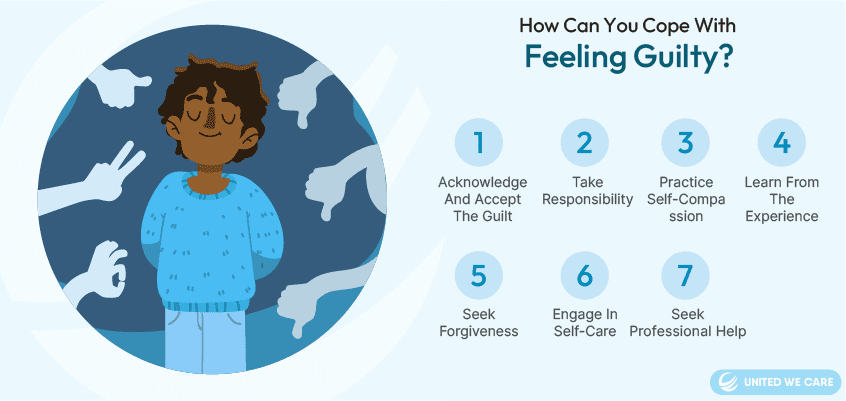
Practicing Self-Compassion
Self-compassion is vital in overcoming guilt. Treat yourself as you would a friend. Acknowledge your feelings without judgment and remind yourself that prioritizing your well-being is not selfish.
Mindfulness Techniques to Reduce Guilt
Mindfulness can help you stay present and reduce rumination. Try:

- Deep breathing exercises before responding to invitations
- Journaling to process emotions
- Meditation focusing on self-worth
These practices can shift your perspective from guilt to gratitude for your choices.
Real-Life Examples and Success Stories
Consider Sarah, a marketing manager who struggled with social guilt. By setting boundaries, she reduced her stress and improved her relationships. Her story illustrates that it’s possible to maintain connections while honoring your limits.
Watch: Lakukan ini, Ketika Orang Lain Tidak Menghargai Kita? #motivation #sukses #tips #shorts
by Azies Taufik
Comparing Approaches: Guilt vs. Healthy Boundaries
Guilt-driven participation leads to resentment, while boundary-setting fosters mutual respect. The key difference is intentionality. When you accept invitations out of obligation, you might feel drained. Choosing to engage when you genuinely want to results in more fulfilling interactions.
Expert Insights on Social Boundaries
Dr. Jane Smith, a clinical psychologist specializing in social dynamics, emphasizes that “setting boundaries is an act of self-respect, not selfishness.” Her research shows that people who prioritize their needs experience higher levels of life satisfaction.
Long-Term Benefits of Boundary Setting
Establishing clear limits leads to:
- Stronger, more authentic relationships
- Increased energy and focus
- Enhanced personal growth
These benefits underscore the importance of making your well-being a priority.
Conclusion: Embracing Your Right to Say No
Overcoming guilt from declining social invitations is a journey of self-discovery. By understanding the roots of your guilt, setting boundaries, practicing self-compassion, and learning from examples, you can transform this challenge into an opportunity for growth. Remember, your time and energy are valuable. Saying no is not a rejection of others; it’s an affirmation of your own worth.